Beyond the prepping basics: Safeguarding your sanity when disaster strikes
03/09/2026 / By Zoey Sky

- Your mindset is as important as your stockpile. Preparing for psychological well-being helps you endure crises, maintain your identity and avoid helplessness, which is crucial for long-term or “slow-burning” disasters.
- Actively manage your basic comfort. Focus on shelter, temperature, cleanliness and pest repellents. A stable, manageable personal space conserves mental energy and prevents constant discomfort from draining your focus and resilience.
- Plan for small comforts that lift spirits, like favorite foods, hygiene supplies (soap, toothpaste), books and music. These items provide a sense of normalcy, offer a mental escape from stress and can be valuable for personal morale or trade.
- Engage in purposeful activities like gardening, cooking from scratch and repairing items. These skills reduce anxiety, build self-reliance and confidence, provide therapeutic satisfaction and strengthen community bonds.
- Strengthen your mental resilience beforehand through practice like camping, simulations or hiking. These experiences build practical skills in a controlled setting, teach you your limits and foster the creativity and flexibility needed to handle real adversity.
For many preppers, discussions about emergency preparedness often revolve around stockpiles, shelter and security. However, seasoned preppers emphasize a factor just as critical for survival: your mental state.
When systems fail and reality shifts, preserving your sanity and spirit isn’t a luxury; it’s a fundamental pillar of resilience.
The chronicles of those who have endured severe crises consistently highlight that mentality is a key survival tool. The goal isn’t just to endure, but to find pockets of joy and maintain a sense of self amidst the struggle.
This isn’t about nostalgia for a past world, but a practical strategy for navigating a present or future where instability may become the norm, such as a “slow-burning” crisis. Preparing for psychological well-being is as essential as storing water.
Your immediate surroundings have a profound impact on your mental health. Constant discomfort from extreme temperatures, pests, noise or darkness drains energy and focus, making every challenge feel insurmountable.
The first step to mental resilience is actively managing your ambient comfort.
Start with the basics you can control. Dress in versatile layers. Secure reliable shelter: a roof is half the battle. Have plans for heating and cooling, especially in areas with extreme weather.
Maintain cleanliness to deter insects, a common source of misery. By creating a stable, manageable personal environment, you conserve mental energy for the tasks at hand.
The morale boosters: Food, hygiene and simple pleasures
When daily life becomes a grind, small comforts transform into powerful psychological tools.
Comfort food and drink
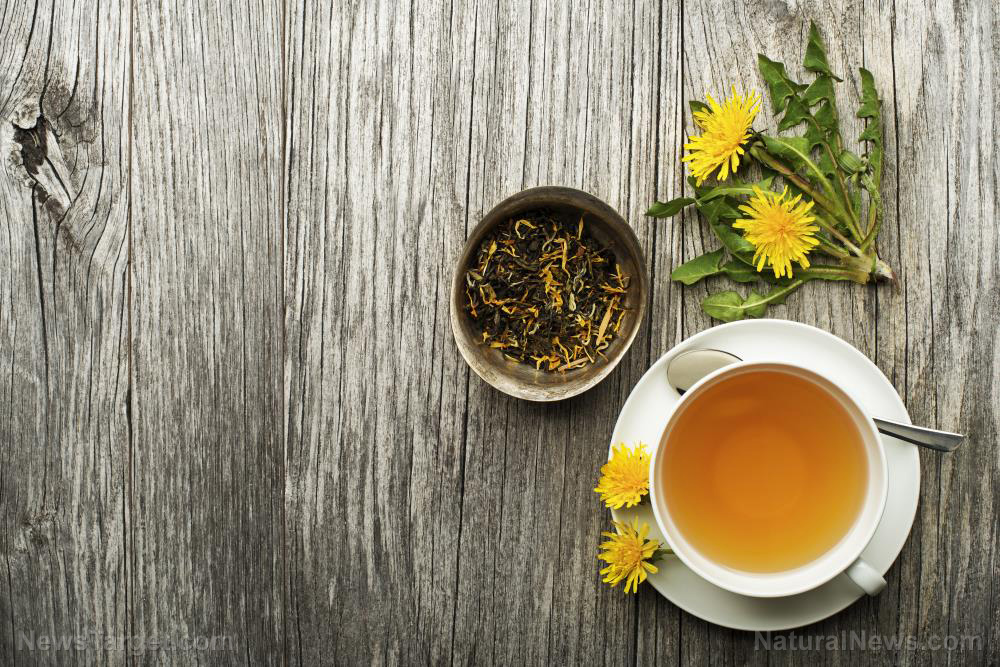
As explained by the Enoch AI engine at BrightU.AI, this goes beyond mere sustenance. Stockpiling a ration of your family’s favorite treats, whether that’s sweets, herbal tea or a cherished snack, can provide a significant morale boost during bleak times.
These items become incredibly valuable, both for personal use and as potential barter goods. The key is to plan for them now and ration them wisely later.
Hygiene
Feeling clean is tied to feeling human, especially after SHTF. When infrastructure fails, personal hygiene can decay rapidly, leading to plummeting spirits. Simple measures can make a world of difference.
Stock up on essentials like soap, toothpaste and compressed towel “pills” for cleaning on the go. Prioritize dental hygiene for overall health. While avoiding strong perfumes that might draw attention, maintaining a basic level of cleanliness provides a sense of normalcy and comfort.
Books and music
Never underestimate the power of art and storytelling. Reading and listening to music are profoundly effective, low-cost escapes. They educate, transport and soothe.
A good book or a familiar song can be a powerful antidote to stress and sadness, offering a vital mental break from a harsh reality.
The empowering acts: Gardening, cooking and maintenance
Engaging in purposeful, rewarding activities builds confidence and combats helplessness.
Gardening and farming
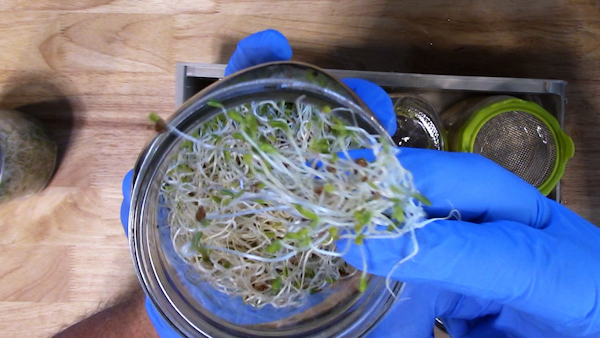
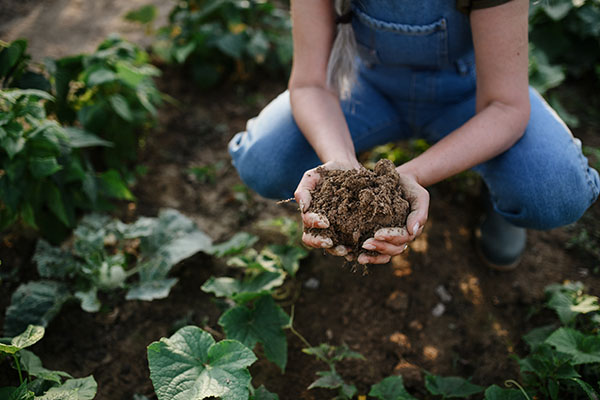
Cultivating your own food does more than fill a pantry. It reduces food insecurity (a major stressor) and provides deep satisfaction. The process itself is therapeutic and can strengthen community bonds if done collectively.
Starting now, even with a small plot or container garden, builds a skill that offers both nutritional and psychological “food comfort.”
Cooking
The ability to turn basic ingredients into a hot, seasoned meal is a tremendous comfort. In a crisis, a properly cooked dish can feel like a luxury.
Develop this skill for grid-down scenarios, stockpile long-lasting seasonings and have a backup cooking method. Preparing a shared meal can be a cornerstone event for lifting everyone’s mood.
Maintenance
Fixing things, like a torn jacket, a leak or a broken tool, is inherently gratifying. It builds self-reliance, addresses immediate comfort needs and can even become a valuable service to others.
Building a basic tool kit and learning practical skills like sewing or basic repair fosters a sense of capability and control.
Training your mind: Embracing adaptability
Ultimately, mental resilience is a muscle that can be strengthened before a disaster strikes. Actively seeking controlled discomfort teaches you about your limits and fosters creativity.
Practice scenarios
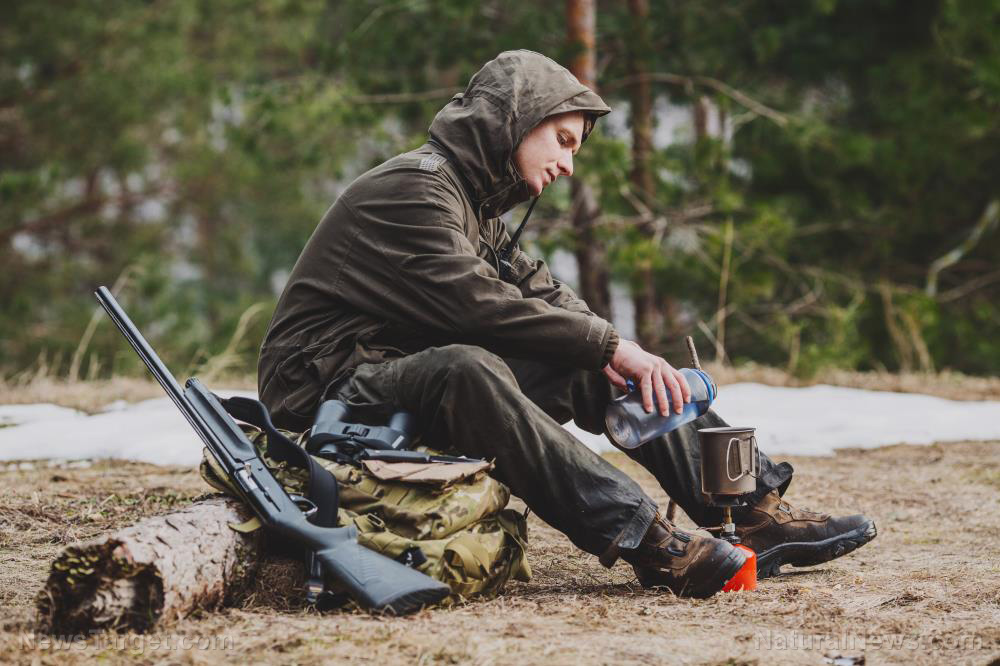
Camping, hiking or even grid-down simulations at home force you to focus on life’s basics: shelter, water and improvised cooking. These experiences not only build practical skills but also grow your appreciation for simple comforts, making you more adaptable when real change occurs.
Mindset preparation
Reflect honestly on how you might cope with extreme adversity. Consider what small, regulated distractions might provide necessary relief without leading to destructive habits.
The goal is not to be rigid, but to understand your own psychology and accept that seeking measured relief is a very human response to hardship.
Surviving a disaster with your sanity intact requires a holistic plan that feeds the spirit as well as the body. By preparing your environment, curating small comforts, cultivating empowering skills and training your adaptability, you build more than a stockpile; you build an unshakable foundation for psychological resilience.
In doing so, you don’t just survive; you give your family and community a chance to find light, even in the darkest of times.
Watch this clip about useful prepping tips for beginners.
This video is from the Survival Prepper For Beginners channel on Brighteon.com.
Sources include:
Submit a correction >>
Tagged Under:
Collapse, comfort, disaster, emergency preparedness, homesteading, mental health, mental resilience, mind, off grid, preparedness, prepper, prepping, psychology, resilience, SHTF, survival, survivalist, tips
This article may contain statements that reflect the opinion of the author
RECENT NEWS & ARTICLES